



In today's industrial automation field, both collaborative robots and industrial robots are important components. While they all contribute greatly to the automation and efficiency of production lines, there are clear differences in their design, application scenarios, and the way they coexist with humans.
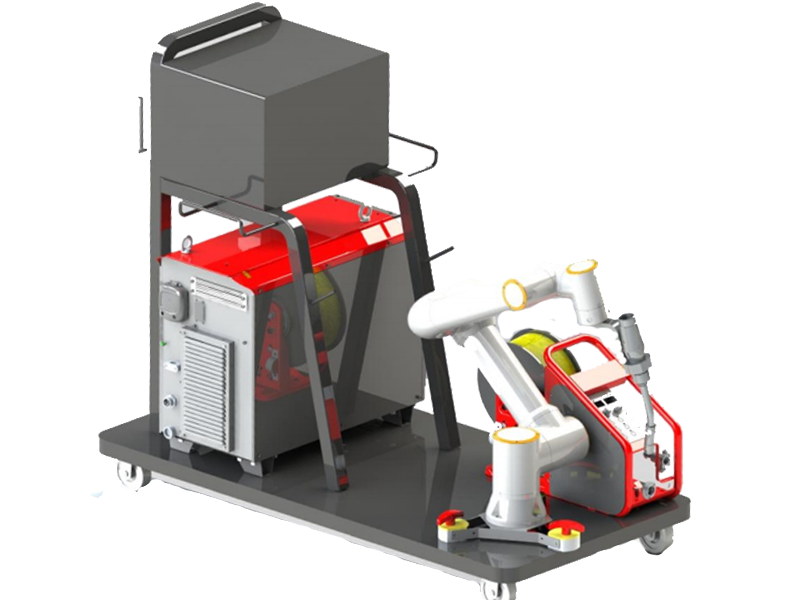
Design variance
1, Interactivity: Cobots are carefully designed to have the ability to work with people, often equipped with sensitive sensors that can sense and avoid direct contact with people, reducing security risks. Industrial robots, which focus on efficiency and precision, may not have the direct ability to work collaboratively with people.
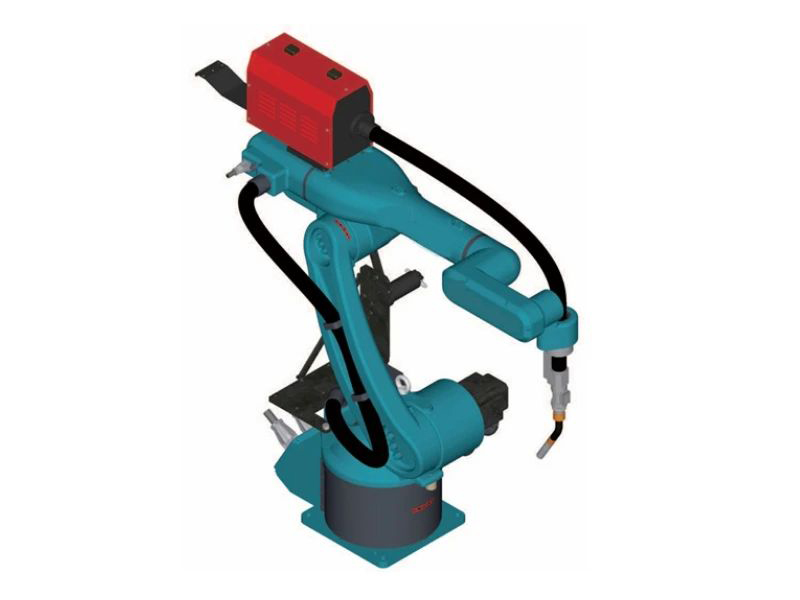
2, size and weight: Cobots are usually designed to be more compact and light, easy to work in narrow Spaces. Industrial robots may be larger to fit large production lines or specific work environments
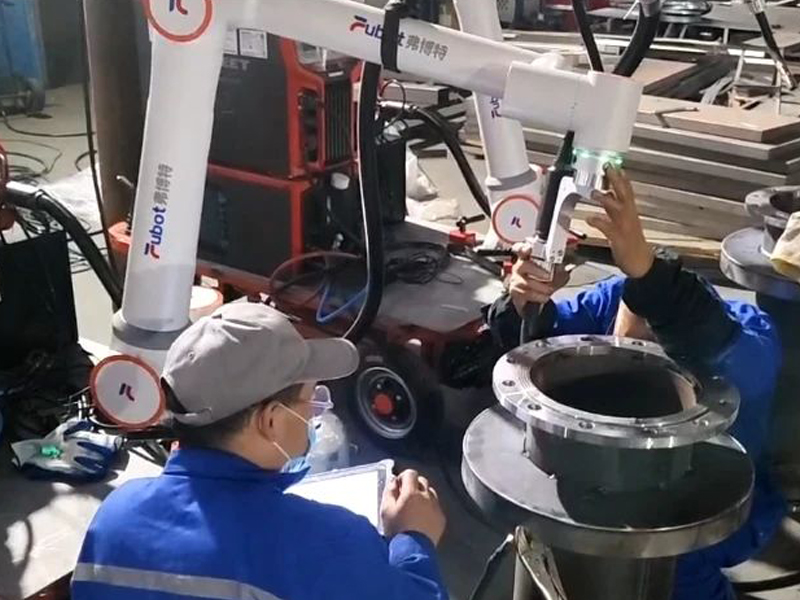
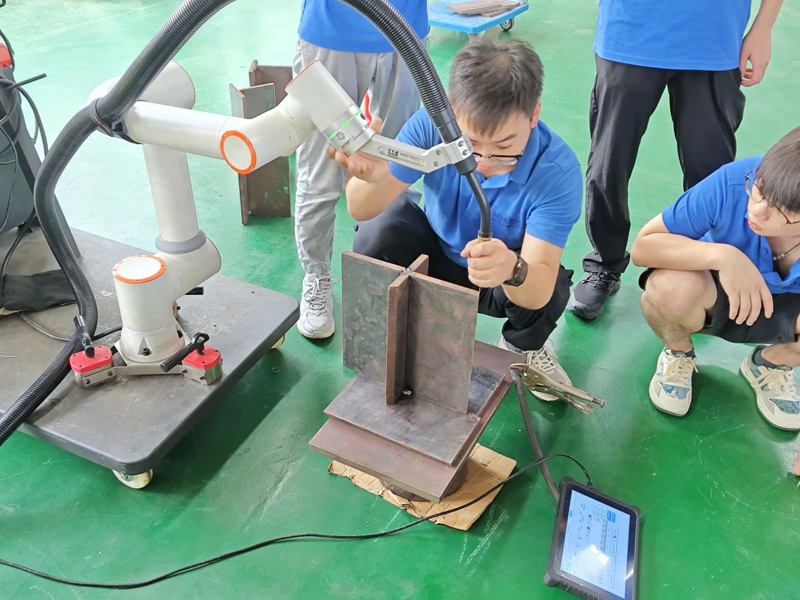
Collaborative work Collaborative robots are widely used in environments that need to work with humans, such as automobile manufacturing and electronic assembly. They can work alongside human operators to assist with a variety of tasks.
Automated production Industrial robots are more commonly used in production environments that require a high degree of automation and precision, such as food processing and packaging. They work continuously for long periods of time, reducing human error.
